
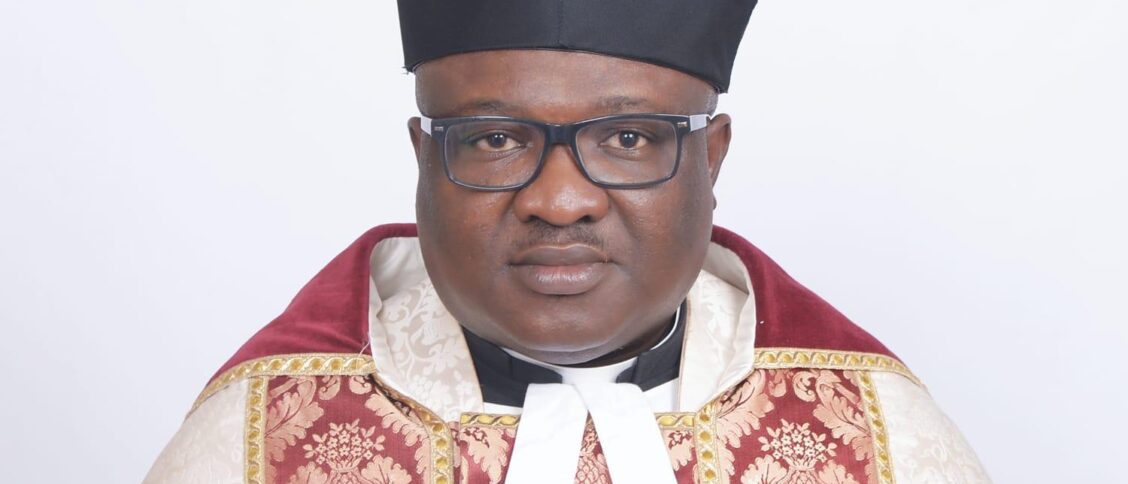

Published by ACOTHSB New York | July 2024
Religious syncretism—the blending of different religious traditions into a cohesive belief system—has shaped the spiritual and cultural landscapes of many societies. In Nigeria, a country known for its ethnic diversity and religious richness, syncretism isn’t just a historical footnote. It’s a living, breathing phenomenon.
🌍 A Legacy of Blended Beliefs
From the ancestral reverence of the Yoruba Orisha and Igbo earth goddess Ala, to the widespread presence of Islam and Christianity, Nigeria has seen religious ideas merge and evolve. As these traditions crossed paths, especially during the colonial and missionary eras, unique forms of worship emerged.
Some examples include:
- Aladura Churches: These Christian groups blend indigenous rituals—like healing, prophecy, and spiritual objects—with Christian theology.
- Bori and Islam: In northern Nigeria, traditional spirit worship integrates with Islamic practices in healing and ceremonial life.
- Ogboni Society: A Yoruba secret society where members often identify with Christianity or Islam while practicing ancestral rites.
🎉 Syncretism in Action: Festivals & Daily Life
Cultural events such as the Osun-Osogbo Festival and the Eyo Festival embody syncretism—attracting participation from Christians, Muslims, and traditionalists alike. Even major religious institutions like the Catholic and Anglican Churches in Nigeria have adapted local customs, music, and healing practices into their worship.
These examples show how syncretism serves social cohesion, enriches spiritual life, and enables faith traditions to stay relevant amid cultural change.
⚖️ A Double-Edged Sword
While many embrace syncretism for its inclusivity and adaptability, critics warn of diluting religious purity or imposing dominant faiths over indigenous practices. Still, the syncretic fabric of Nigerian society proves resilient, balancing tradition and transformation.
📘 Download the Full Article (PDF)
Want to dive deeper into the historical roots, key examples, and socio-political context of religious syncretism in Nigeria?