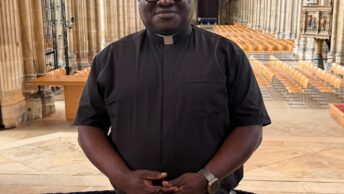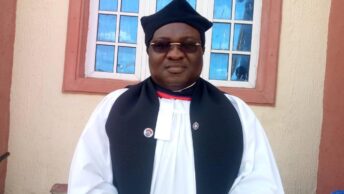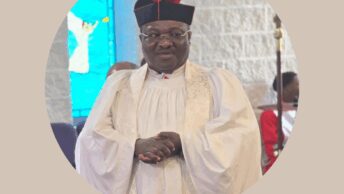

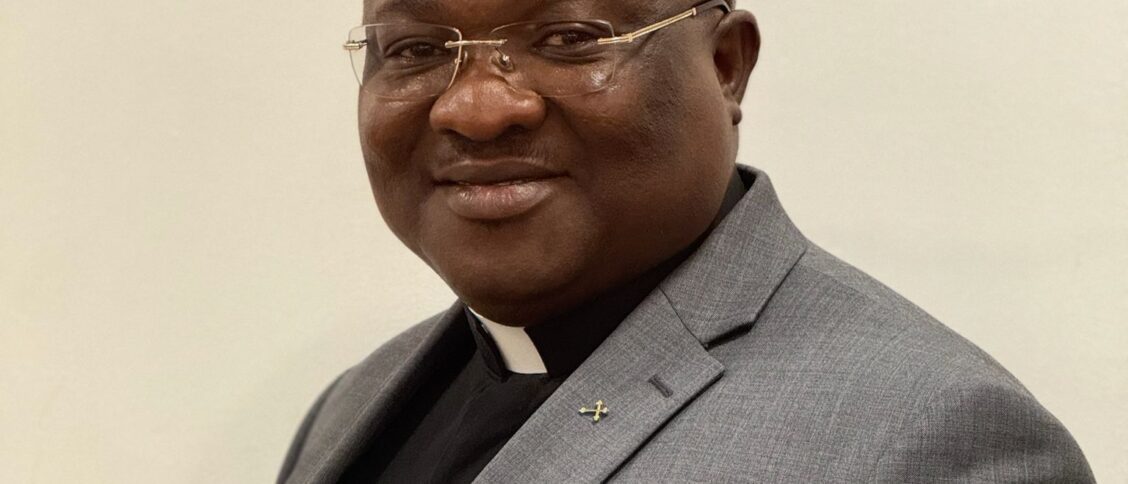

By Ven. David Chimezie Nwanekpe
As a nation, we extend our deepest condolences to the family of the late President Muhammadu Buhari—to his widow, his son Yusuf, and his children. In this time of personal grief, we stand with them. Death, in its quiet finality, remains a painful reality that humbles even the most powerful. Our prayers are with his family as they walk through this valley of sorrow.
But as we mourn, we must also reflect.
Leadership is not just about years served or policies passed—it is about the legacy left behind. A legacy that is judged not only by those in history books but more importantly, by the people who lived through it.
William Shakespeare, in Julius Caesar, once wrote:
“The evil that men do lives after them; the good is oft interred with their bones.”
This reflection weighs heavily today. President Muhammadu Buhari’s tenure was marked by deep trials for many Nigerians—particularly the Igbo people. His years in power were shadowed by economic hardship, worsening insecurity, and a perceived indifference to the cries of the masses.
To speak truth in the face of mourning is not cruelty—it is honesty. Silence does not rewrite history. As George Orwell aptly said:
“The most effective way to destroy people is to deny and obliterate their own understanding of their history.”
While we sympathize with his loved ones, we cannot forget the experiences of ordinary citizens during his presidency. There were times when the government appeared distant from the daily struggles of the people. A father who could not feed his family, a graduate who could not find work, a community abandoned to insecurity—these stories define the era more than press releases or monuments ever could.
Chinua Achebe once said:
“Until the lions have their own historians, the history of the hunt will always glorify the hunter.”
Let this be a call to conscience for the living—especially those in power today. Yesterday, we watched the final journey of a man who once held the highest office in the land. His resting place is now a quiet, narrow space beneath the earth—no different from that of a pauper. The same fate awaits us all, reminding us of the emptiness of pride, cruelty, and political arrogance.
So we ask:
- Why do we fight one another?
- Why do we oppress the weak?
- Why do we lead without compassion?
Where now is the strength of men when death comes calling?
Let Buhari’s passing be more than a news headline. Let it be a mirror held up to us all—especially those who lead. Power is fleeting. Titles expire. Positions end. Only the legacy of our deeds—good or evil—will echo after we are gone.
Live right. Lead well. Power is temporary, but humanity is eternal.
Signed,
Ven. David Chimezie Nwanekpe