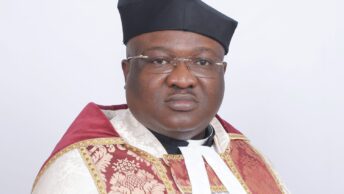



The Church of Nigeria holds a conservative stance on divorce and remarriage, in line with traditional Christian teachings. Here are some key points:
1. Divorce
The Church generally views marriage as a lifelong covenant and discourages divorce, emphasizing reconciliation and counseling for couples facing challenges. However, divorce may be considered in cases of adultery, abandonment, or abuse, but it is not encouraged.
2. Remarriage
The Church of Nigeria is cautious about remarriage after divorce. In many cases, remarriage is not permitted unless the previous spouse has passed away. If someone is divorced for reasons other than adultery, remarriage may be considered problematic unless it is carefully examined by the Church.
3. Pastoral Consideration
Clergy members provide spiritual guidance and counseling to those who are divorced or seeking remarriage, aiming to help individuals maintain their relationship with God and the Church.
Specific Circumstances for Divorce and Remarriage
1. Adultery

If a spouse is unfaithful, the Church may allow the innocent party to divorce and, in some cases, to remarry, especially if reconciliation is not possible.
2. Abandonment
If a spouse abandons their partner, particularly if the abandonment is without cause or after significant efforts at reconciliation, the Church may consider divorce and remarriage for the abandoned party.
3. Abuse

In cases of serious physical, emotional, or psychological abuse, the Church might permit a divorce to protect the well-being of the abused spouse. While remarriage may still be considered carefully, the Church prioritizes safety and healing.
4. Death of a Former Spouse
Remarriage is more commonly allowed if the divorced individual’s former spouse passes away, releasing them from the original marital covenant.
Each case is generally handled on an individual basis, with pastoral care and the approval of Church leadership after careful examination.
Biblical and Doctrinal Foundations
The Church of Nigeria’s position on divorce and remarriage is primarily based on biblical teachings, traditional Christian doctrine, and canon law. While the Church has no single universal document that specifically addresses every detail of divorce and remarriage, the following sources can provide context:
1. Holy Scripture
The Church’s stance is rooted in passages like:
- Matthew 19:3–9: Jesus addresses the issue of divorce, allowing it only in cases of sexual immorality.
- 1 Corinthians 7:10–16: St. Paul discusses marriage, divorce, and the responsibility of believers in such situations, including abandonment by an unbelieving spouse.
2. The Lambeth Conference
As part of the Anglican Communion, the Church of Nigeria may refer to resolutions from the Lambeth Conference (particularly Resolution 114 from 1988) that acknowledges the complexity of marriage breakdowns and allows for some pastoral discretion in remarriage after divorce.
3. The Canons of the Church of Nigeria (Anglican Communion)
These provide legal and theological frameworks, and while they affirm the lifelong nature of marriage, they make provisions for divorce and remarriage under certain circumstances, as examined by the Church hierarchy.
4. Pastoral Guidelines
Though not publicly available in a single document, guidelines from individual dioceses or clergy typically detail how such matters are handled pastorally within the Church of Nigeria.
How the Process Works in the Church of Nigeria
In the Church of Nigeria, remarriage after divorce is typically permitted by the bishop of the diocese where the individuals are members. The bishop has the authority to examine the specific circumstances of the divorce and make a decision based on the Church’s teachings and pastoral guidelines.
The process generally includes:
- Pastoral Counseling
Before any decision is made, the individuals involved are often required to undergo counseling with a priest or pastoral care team. This ensures that all efforts for reconciliation have been made and that the reasons for the divorce are thoroughly understood. - Bishop’s Approval
After reviewing the case, the bishop decides whether the circumstances meet the Church’s criteria for remarriage (e.g., adultery, abandonment, or abuse). If the bishop approves, permission is granted for the individual to remarry within the Church. - Clergy Involvement
The priest overseeing the remarriage would also consult with the bishop and ensure that the appropriate permissions have been obtained before proceeding with the ceremony.
This hierarchical approval process ensures that remarriage decisions are not taken lightly and are aligned with both pastoral care and theological considerations.
Divorce vs. Annulment: What’s the Difference?
The key difference between divorce and annulment lies in how each process views the validity of a marriage:
1. Divorce

- Definition: Divorce is the legal and ecclesiastical termination of a valid marriage. It recognizes that a legitimate marriage existed but has broken down beyond repair, leading to the dissolution of the marital bond.
- View of Marriage: In a divorce, the Church acknowledges that the marriage was valid from the start, but due to certain circumstances (e.g., adultery, abandonment, abuse), it cannot continue.
- Effect: Divorce ends the marital relationship but does not declare the marriage invalid or null. In many cases, remarriage after divorce can be restricted or allowed under specific conditions.
2. Annulment
- Definition: Annulment, also called a declaration of nullity, is a process by which the Church declares that a marriage was never valid in the first place. This means that, in the eyes of the Church, the marriage did not meet the essential requirements to be a sacramental and binding union.
- View of Marriage: An annulment states that something fundamental was missing at the time of the wedding (e.g., lack of consent, fraud, incapacity, or refusal to uphold the marital covenant), so the marriage was never sacramentally valid.
- Effect: If a marriage is annulled, it is as if it never existed in the eyes of the Church. The individuals are free to marry within the Church as they are not considered bound by the previous “marriage.”
Grounds for Annulment in the Church of Nigeria
(Similar to general Anglican practice) may include:
- Lack of free consent by either party.
- Impediments (e.g., one party was already married, or there was a familial relationship preventing the union).
- Mental incapacity or immaturity at the time of marriage.
- Deception or fraud (one party hid significant information from the other).
- Refusal to fulfill essential obligations of marriage (e.g., refusal to have children).
While divorce addresses the breakdown of a valid marriage, annulment addresses the legitimacy of the marriage itself from its inception.
For more information or pastoral guidance, individuals are encouraged to speak with their local priest or diocesan office.